Quick Summary
Grease trap cleaning is a required maintenance task for restaurants in Fort Mohave and Bullhead City, especially in a region where seasonal tourism significantly increases kitchen output. Failing to maintain proper service intervals can lead to health code violations, emergency plumbing issues, kitchen shutdowns, and damage to sewer systems. Most commercial kitchens need service anywhere from every few weeks to every couple of months depending on menu type and volume, with high-output operations requiring more frequent attention. Professional cleaning typically includes pumping, scraping, inspection, and documentation that supports health compliance. A consistent schedule protects revenue, reduces risk, and prevents costly emergency disruptions during peak business periods.
Restaurant owners along the Colorado River corridor know that a busy kitchen depends on plumbing that works without interruption. Commercial drain cleaning in Arizona is a routine part of running a food service business, and grease trap maintenance sits at the center of it. Fort Mohave and Bullhead City’s tourism-driven restaurant scene means kitchens see heavy, consistent volume, especially during peak season.
Ignoring grease trap maintenance does not only lead to unpleasant odors or slow drainage. It can trigger regulatory penalties, forced closures, and serious plumbing failures at the worst possible time.
What a Grease Trap Does
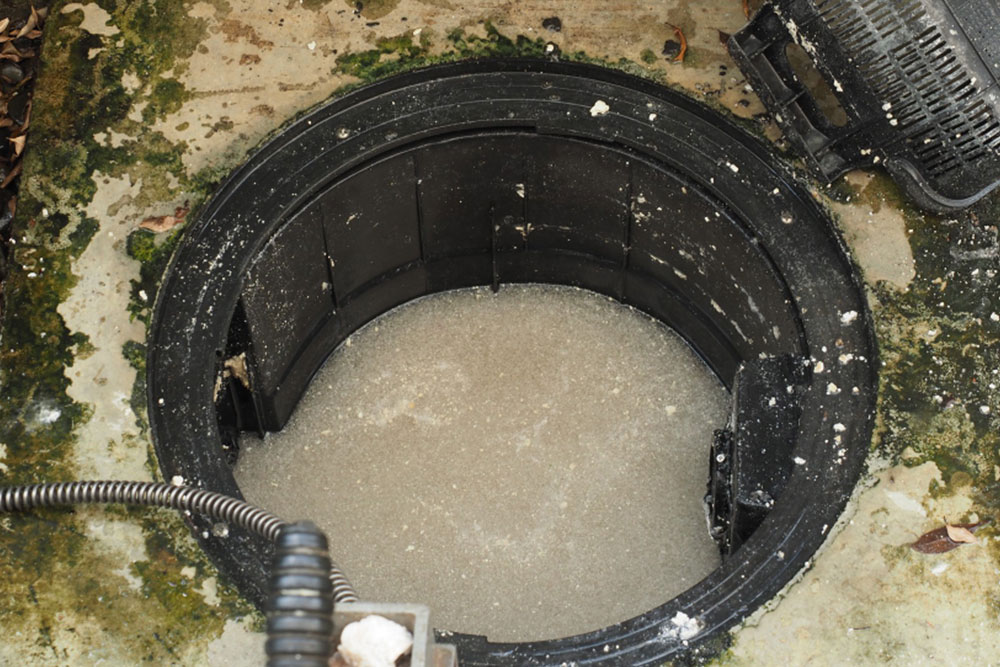
A grease trap, also known as a grease interceptor, is installed between kitchen drains and the main sewer line to capture fats, oils, and grease before they enter the municipal system. Wastewater slows inside the unit, allowing grease to rise and solids to settle while cleaner water exits through the outlet.
This system is essential in all commercial food operations, including restaurants, cafeterias, food trucks, and hotel kitchens. Without it, grease would enter sewer lines directly, where it hardens and contributes to large-scale blockages.
Why Fort Mohave Restaurants Need to Stay on Top of This
High Seasonal Volume
Tourism along the Colorado River increases restaurant traffic throughout Fort Mohave and Bullhead City, especially during peak months. Kitchens often expand hours and staffing during these periods, which results in higher grease output and faster accumulation inside traps.
Local Code Requirements
Mohave County and local sewer authorities enforce strict FOG (fats, oils, and grease) regulations. Inspections may occur without notice, and violations can result in fines or mandatory shutdowns until issues are corrected.
Limited Local Service Providers
Unlike larger metro areas, Fort Mohave and Bullhead City have fewer plumbing companies experienced in commercial grease interceptor cleaning. That makes it easier for a restaurant to fall behind on maintenance simply because scheduling service takes more effort.
How Often Should Grease Traps Be Cleaned
Most health departments recommend the “25 percent rule,” meaning a grease trap should be cleaned once FOG and solids reach 25 percent of its total capacity. In practical terms, that usually means:
- High volume kitchens (full-service restaurants, fried food specialists): every 1 to 4 weeks
- Moderate volume kitchens (cafes, smaller casual dining): every 1 to 2 months
- Lower volume kitchens (coffee shops, limited food prep): every 2 to 3 months
These are general guidelines. The right schedule depends on your kitchen’s cooking volume, menu, and trap size. A professional assessment is the most reliable way to set an accurate schedule instead of guessing.
Warning Signs Your Grease Trap Needs Attention
- Slow draining sinks, especially the three-compartment sink or dishwasher line
- Foul odors near floor drains or the grease trap itself
- Gurgling sounds from drains
- Wastewater backing up into the kitchen
- Visible grease buildup around trap lids or nearby drains
Any of these signs mean the trap is likely overdue for cleaning, and waiting only increases the risk of a backup during service hours.
What Happens If You Skip Grease Trap Maintenance
Skipping maintenance does not just risk a messy kitchen. Consequences can include:
- Fines from local sewer authorities for FOG discharge violations
- Emergency plumbing costs, which are almost always higher than scheduled maintenance
- Kitchen downtime during a backup or blockage, directly affecting revenue
- Pest issues, since grease buildup attracts insects and rodents
- Damage to municipal sewer lines, which can result in liability for the business
For a restaurant running on tight margins, an unplanned closure during peak tourist season is one of the most expensive outcomes a kitchen can face.
What Professional Grease Interceptor Cleaning Involves
A thorough service typically includes:
- Pumping out accumulated grease, oil, and solids from the trap
- Scraping and cleaning the interior walls and baffles
- Inspecting the trap for cracks, corrosion, or damage
- Checking connected drain lines for early signs of buildup
- Documentation of service dates, useful for health inspections and compliance records
Keeping service records on hand also makes health department inspections faster and less stressful.
Setting Up a Maintenance Plan
The most effective approach for restaurant owners is a scheduled maintenance plan rather than waiting for a problem to appear. A set schedule:
- Reduces the risk of surprise backups during business hours
- Keeps the kitchen in compliance with local FOG regulations
- Extends the life of drain lines and the grease trap itself
- Makes budgeting for maintenance predictable instead of reactive
Our Role in Keeping Fort Mohave Kitchens Running
We provide grease interceptor and commercial drain cleaning in Arizona for restaurants throughout Fort Mohave and Bullhead City. Our experience with seasonal demand patterns allows us to tailor service schedules based on real kitchen output rather than generic intervals.
We also handle broader commercial drain cleaning needs, so a single call can cover more than just the grease trap. For restaurants near the river corridor, our team is familiar with the Bullhead City service area and the specific volume patterns local kitchens experience during peak season.
If your kitchen has not had a grease trap assessment recently, or if you are seeing any of the warning signs above, request a quote and we will help set up a maintenance schedule that fits your operation.
Homeowners managing their own plumbing maintenance schedule may also find our annual plumbing maintenance checklist for Fort Mohave homeowners useful for a similar proactive approach.
FAQs
How often does a restaurant grease trap really need to be cleaned?
It depends on kitchen volume, but most full-service restaurants need cleaning every one to four weeks. A professional assessment based on your trap size and menu is the most accurate way to set a schedule.
What happens if a health inspector finds an overdue grease trap?
Outcomes vary by jurisdiction, but common results include a warning, a required correction timeline, or fines for repeat violations. Continued non-compliance can lead to further enforcement action.
Can I clean a commercial grease trap myself?
Small under-sink traps can sometimes be handled in-house, but larger in-ground or outdoor interceptors require professional pumping equipment and proper waste disposal to meet local regulations.
Comments are closed