Water heater failure or a suspected leak often requires immediate shutdown to reduce damage and safety risks. Knowing how to turn off the water heater quickly helps homeowners act during leaks, gas concerns, or maintenance work without confusion.
Gas and electric units require different shutdown steps, especially when isolating power, fuel supply, and water lines to prevent hazards.
Homeowners in Fort Mohave and nearby areas often call a plumber near Fort Mohave when uncertain about safe shutdown procedures during emergencies or water heater installation & repair needs or emergency services calls.
Locating and Preparing the Water Heater
Most water heaters are installed in garages, utility closets, or side areas of a home where access remains straightforward. Before beginning any shutdown process, the surrounding area should remain dry and clear to reduce slip risks and avoid contact with electrical components.
Identifying the unit type is the first step. Gas systems rely on a burner and gas line connection, while electric systems depend on circuit breakers and heating elements.
Each setup requires a different approach when shutting down the system safely during repairs, inspections, or leak response situations that may involve emergency services.
Turning Off a Gas Water Heater
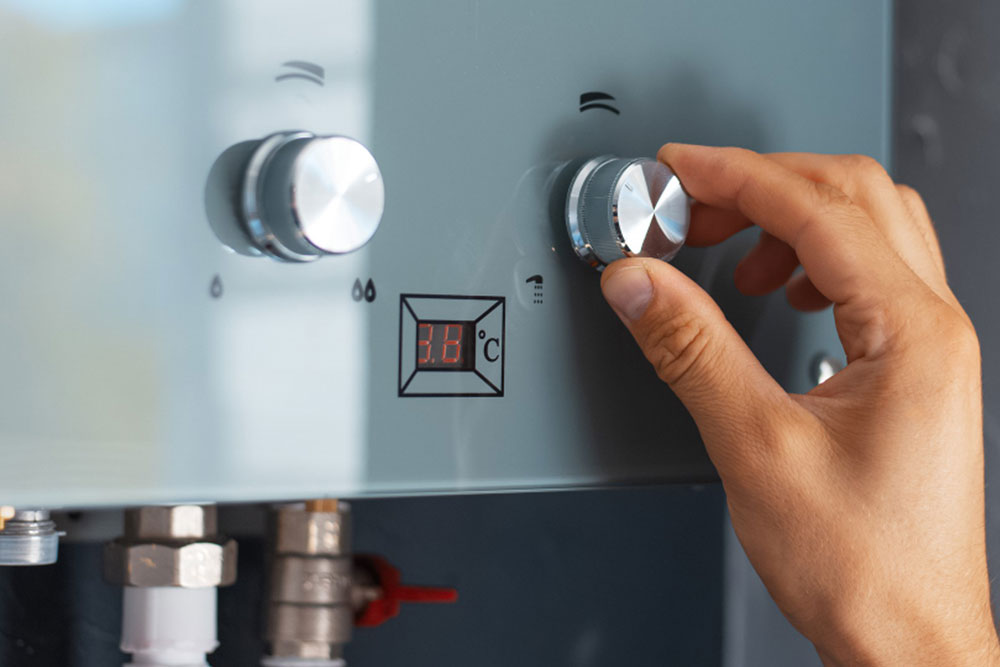
Gas water heaters use a control valve and a gas supply line that must be shut down in the correct order. The control knob is usually located near the bottom of the tank. Turning the dial to the off position stops the burner from heating water. This is a key step in understanding how to turn off water heater gas systems safely.
After this, the gas supply valve near the unit should be closed by turning it perpendicular to the gas line. This stops fuel flow and reduces the risk of gas buildup inside the system.
A nearby hot water faucet can be opened briefly to release pressure inside the tank. This helps stabilize internal pressure before moving to the water supply line, which is typically located at the top of the heater.
Turning Off an Electric Water Heater
Electric water heaters require attention at the electrical panel. The correct breaker must be switched off to disconnect power from the heating elements. Many homes use dual breakers for larger units, so both switches may need adjustment. This is another important part of learning how to turn off water heater electric systems without risk.
Once power is disconnected, the cold water supply line should be closed to stop additional water from entering the tank. A nearby faucet can be opened to relieve pressure and help drain excess hot water if needed.
Electric systems carry stored heat even after power disconnection, so careful handling is important during inspection or repair work, especially when commercial plumbing systems or multi-unit properties are involved.
When Water Heater Shutdown Becomes Necessary
A water heater should be turned off in several situations. Leaks from the tank or connected pipes often require immediate shutdown to limit water damage.
Gas odor near the unit can indicate a fuel issue that demands fast isolation of the system. Electrical faults, unusual noises, or inconsistent heating may also signal internal problems.
In homes with water treatment system setups, mineral buildup can place extra strain on heating components, increasing the need for maintenance checks. Shutting down the unit allows safe inspection before further damage develops.
Call Freedom Plumbing Services for Safe Water Heater Help
Water heater issues can escalate quickly when shutdown steps are unclear or a leak continues after power and water are turned off.
Freedom Plumbing Services handles water heater installation & repair, leak repair, drain services, and emergency services across Fort Mohave and nearby areas. Our team focuses on fast diagnosis and practical fixes that keep your plumbing system safe and stable.
If you are unsure about shutting off your unit or suspect a problem, call us for clear, honest help right away.
Comments are closed